Building a no-code MVP for corporate mobility
Turning Italian corporate welfare rules into a mobility benefit companies could buy, and launching the first version on the app stores in two weeks.
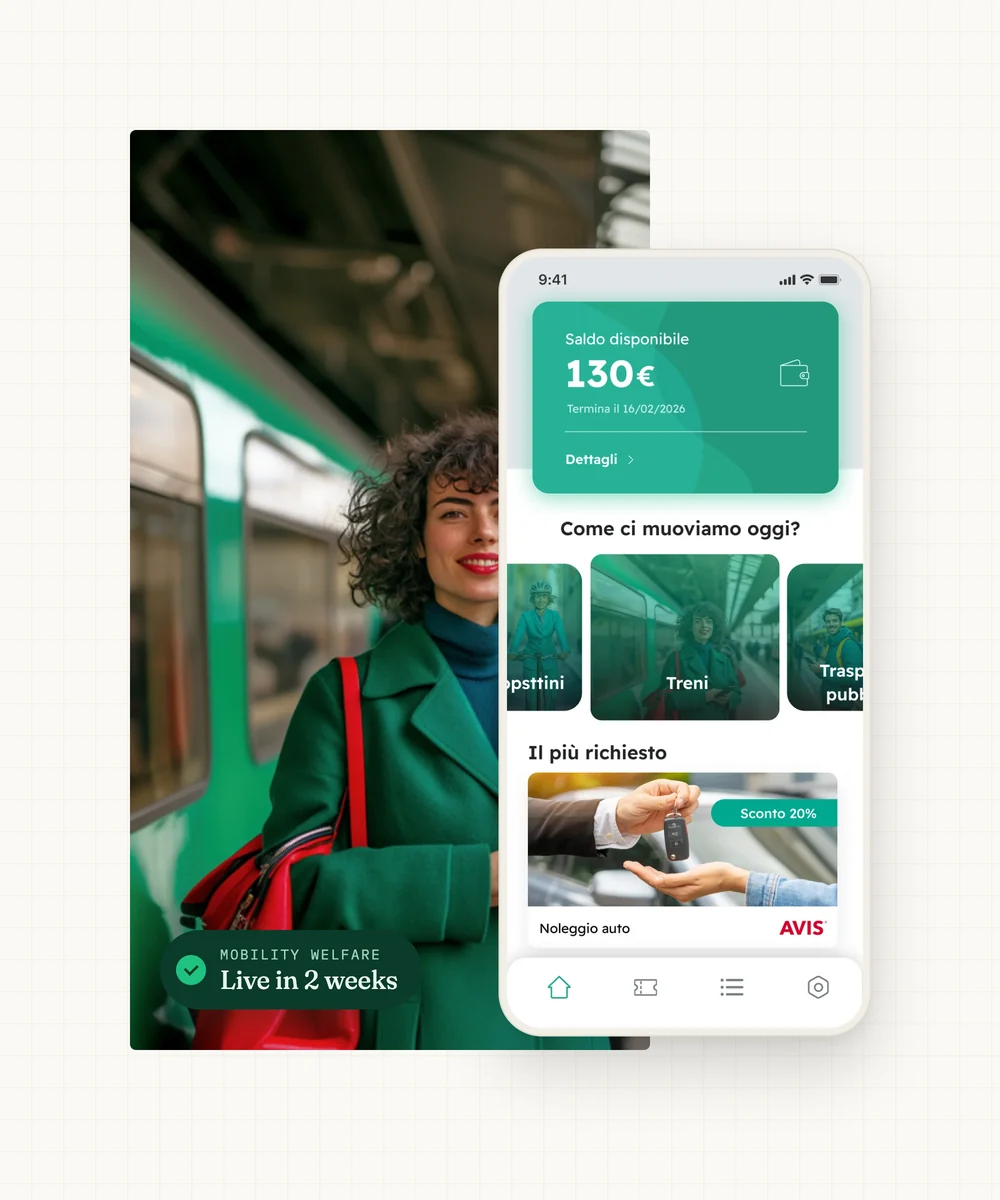
Challenge
Italian companies can give employees tax-free welfare, but mobility was rarely part of it. Sales needed a real product to show before investing in development.
Approach
I ran the MVP as project manager: turned welfare rules into requirements, scoped what to build, postpone or run by hand, built the app in FlutterFlow and tested every partner flow.
Outcome
Live on the App Store and Google Play two weeks after the first prototype, and used by sales in calls with HR managers.
Context
Payway Ticket turns commuting costs into a welfare benefit. Companies load a yearly credit; employees spend it on the way they actually travel.
Commuting is a cost employees pay anyway. Welfare rules could make it cheaper for both sides.
Designing within welfare rules
Italian welfare law was the real brief. Two regimes decided what the credit could pay for, how big packages could be and what every voucher had to show.


The service
Four actors, one loop. Payway sits in the middle, running operations the app did not need to automate yet.

Scoping the MVP
As project manager I sorted every step of the service into three piles, so the first release could ship in weeks.

The app
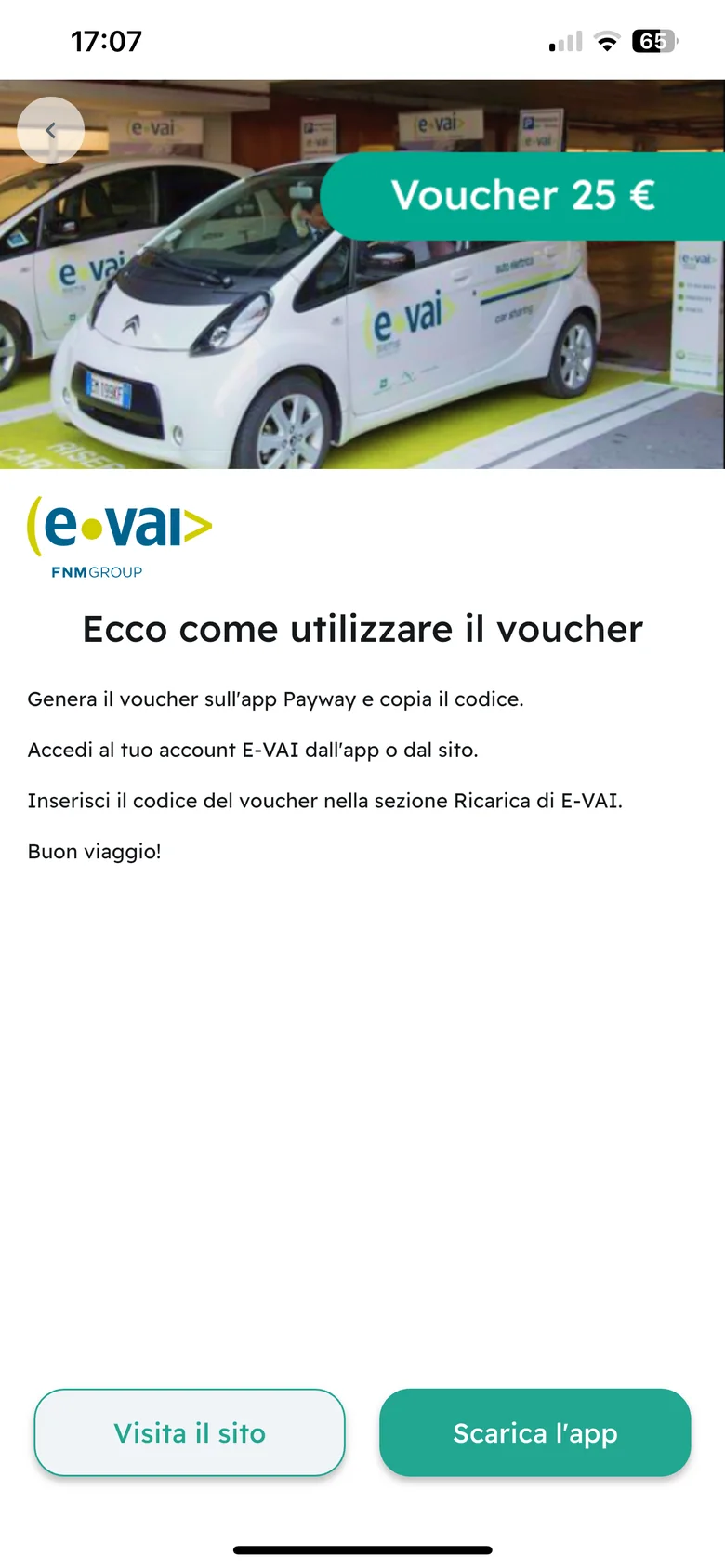
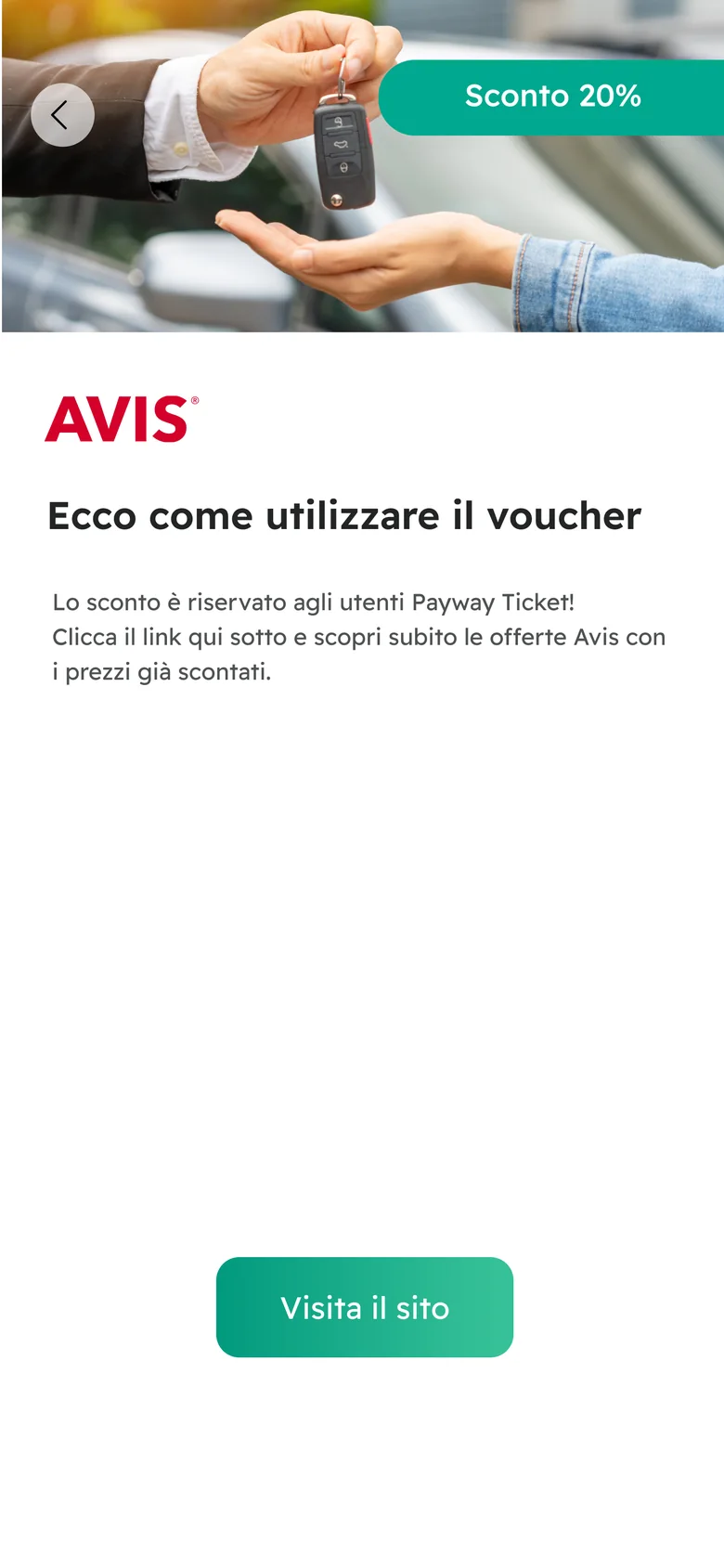
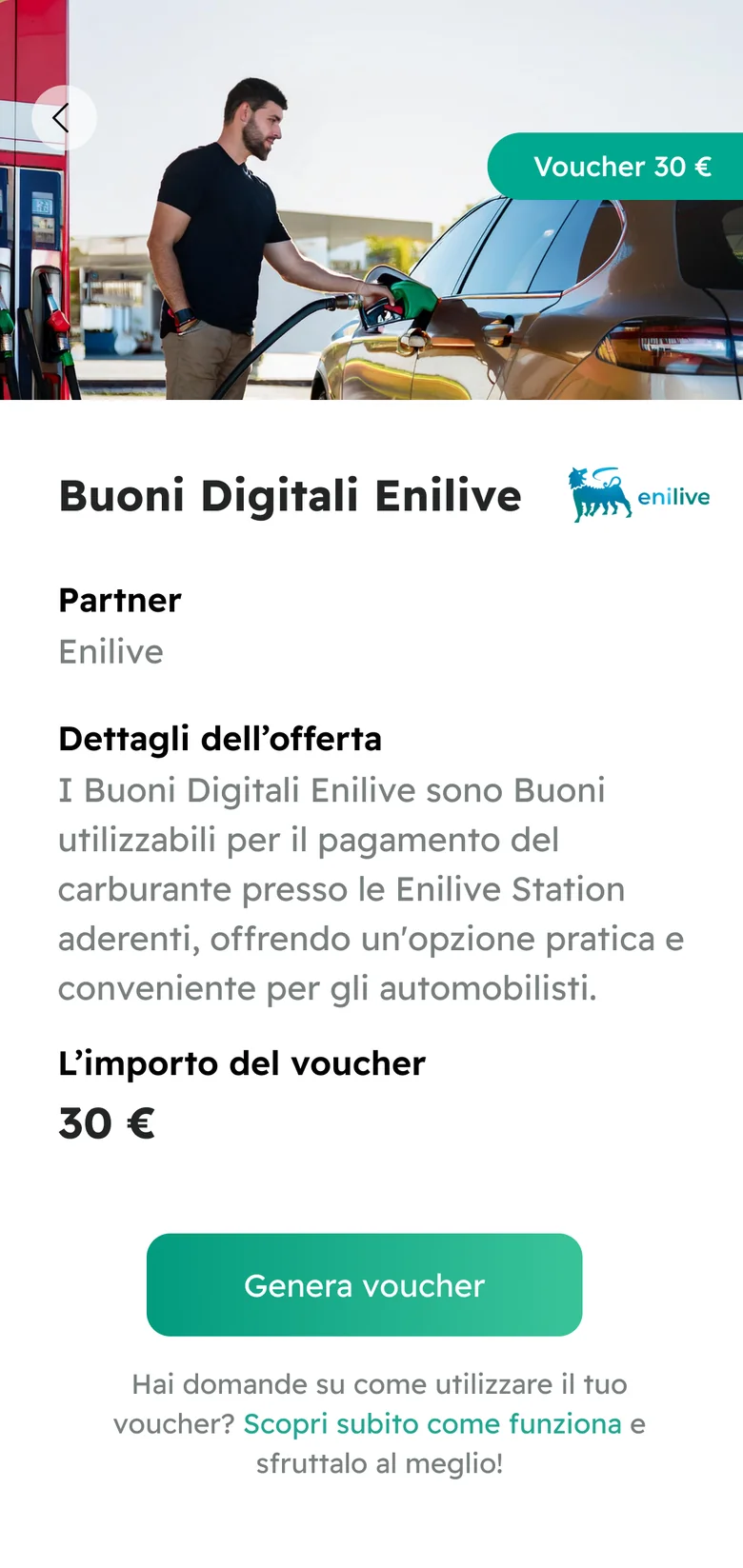
Built in FlutterFlow on Firebase, without a development team. Live on both stores two weeks after the first prototype.
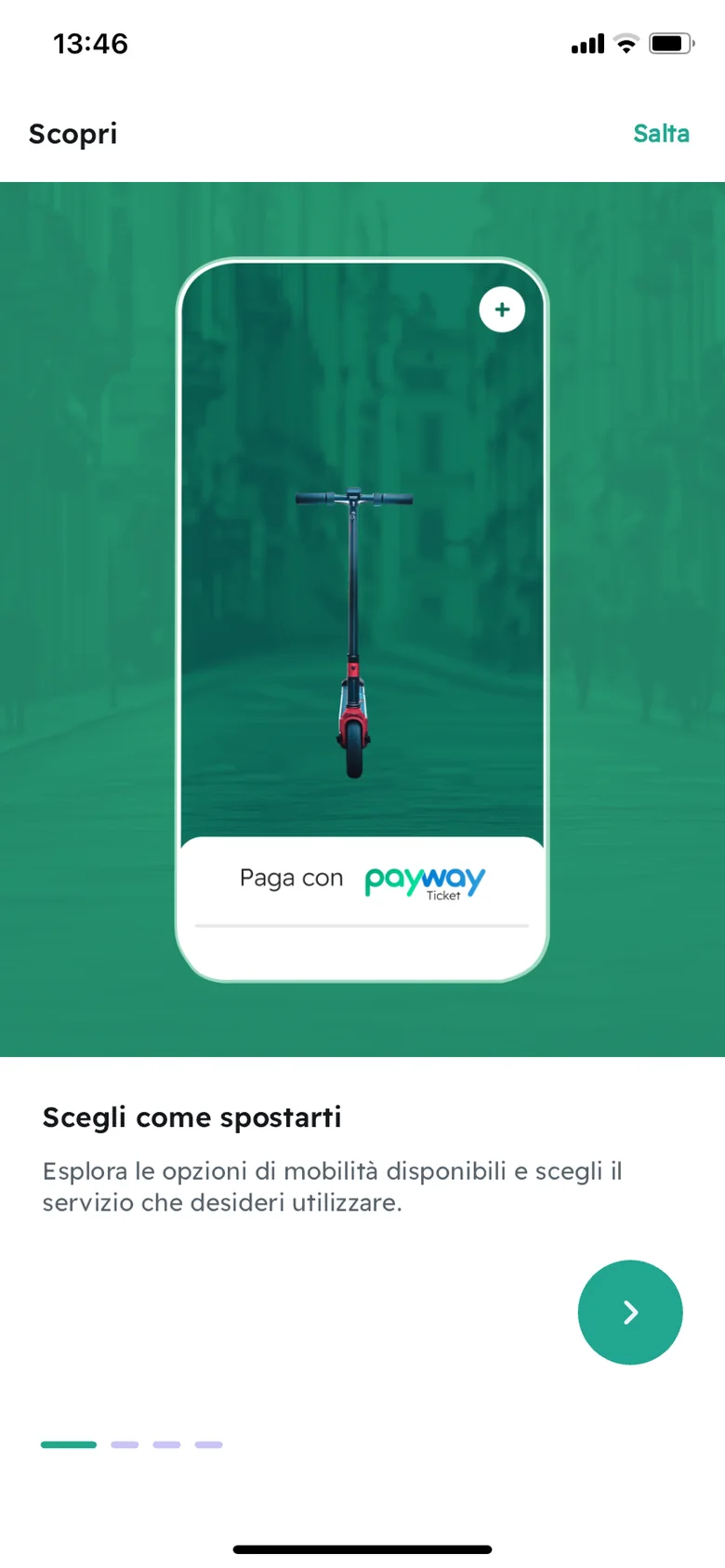
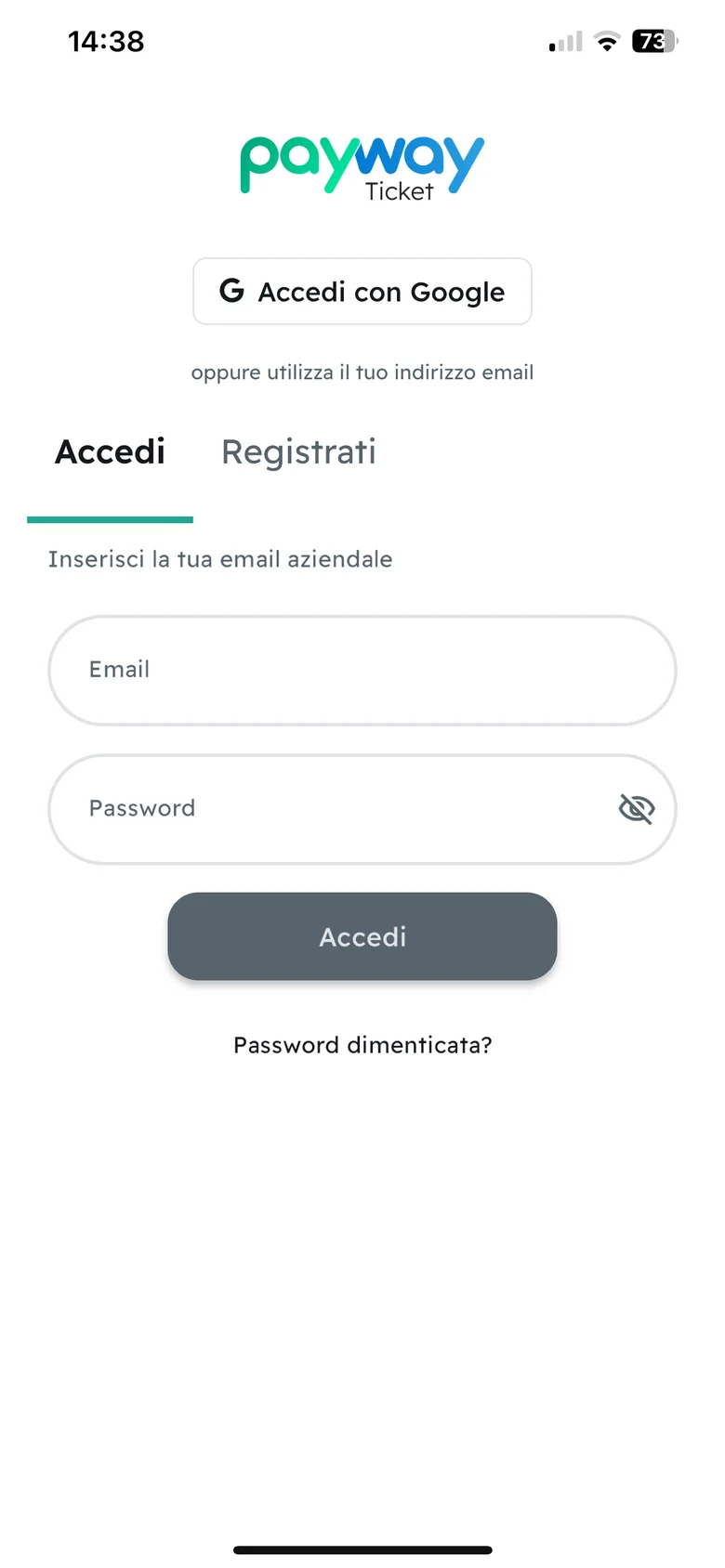
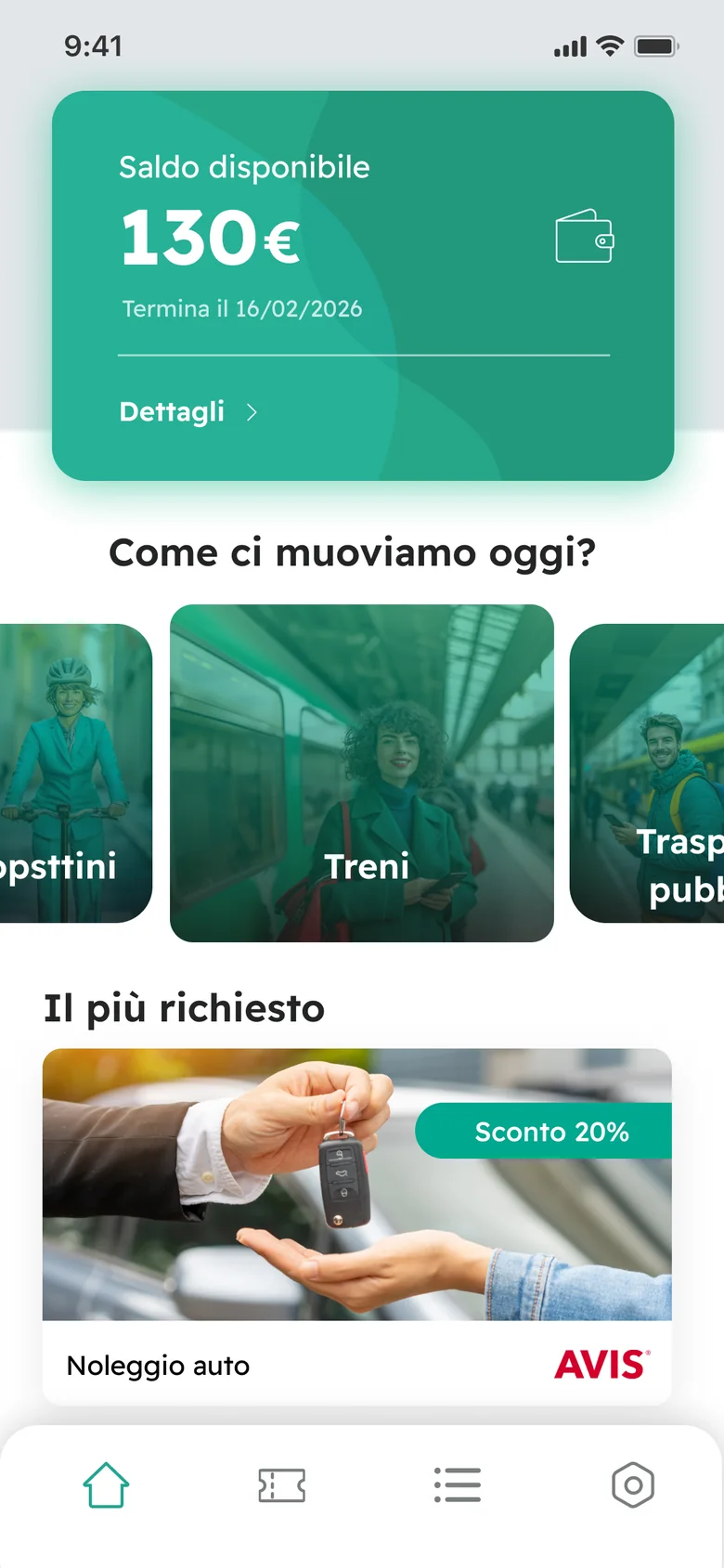
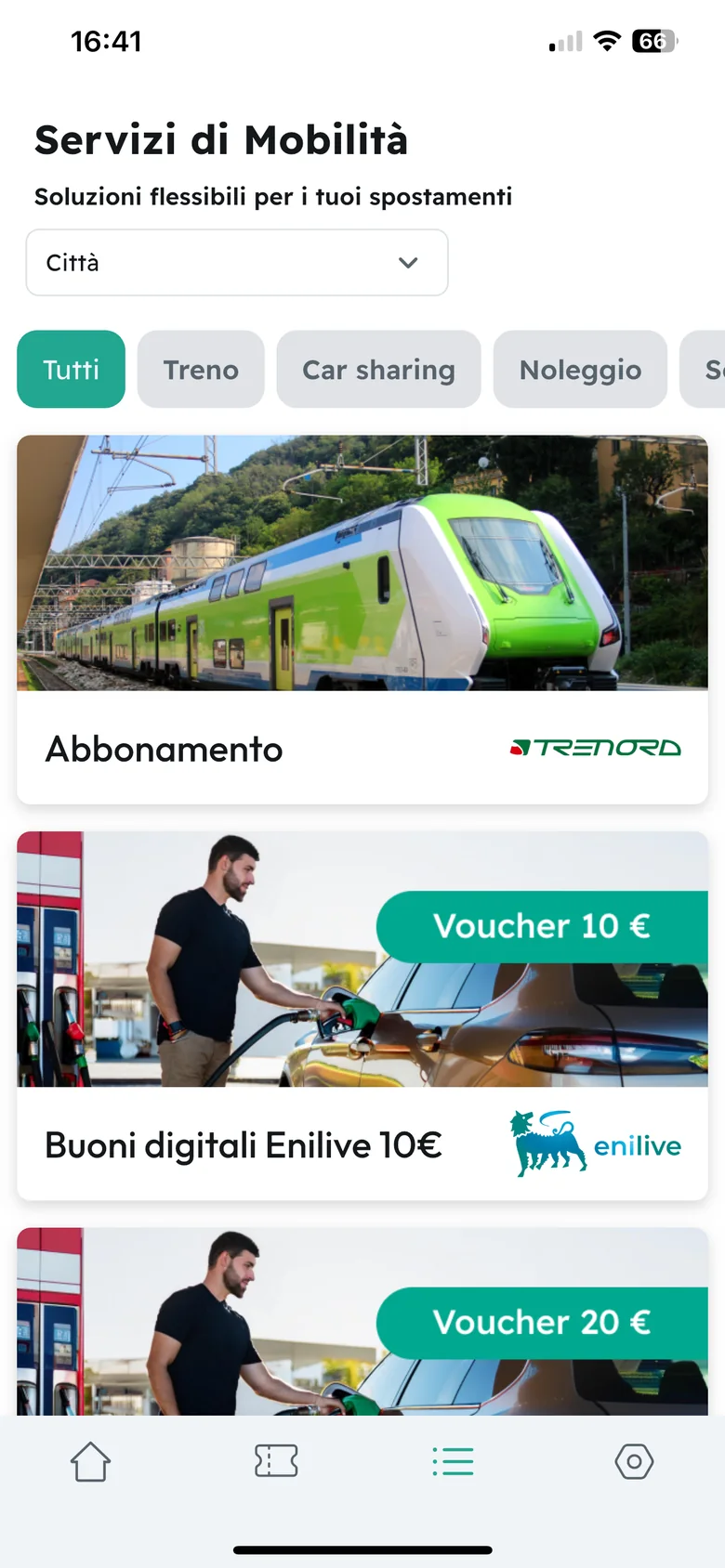
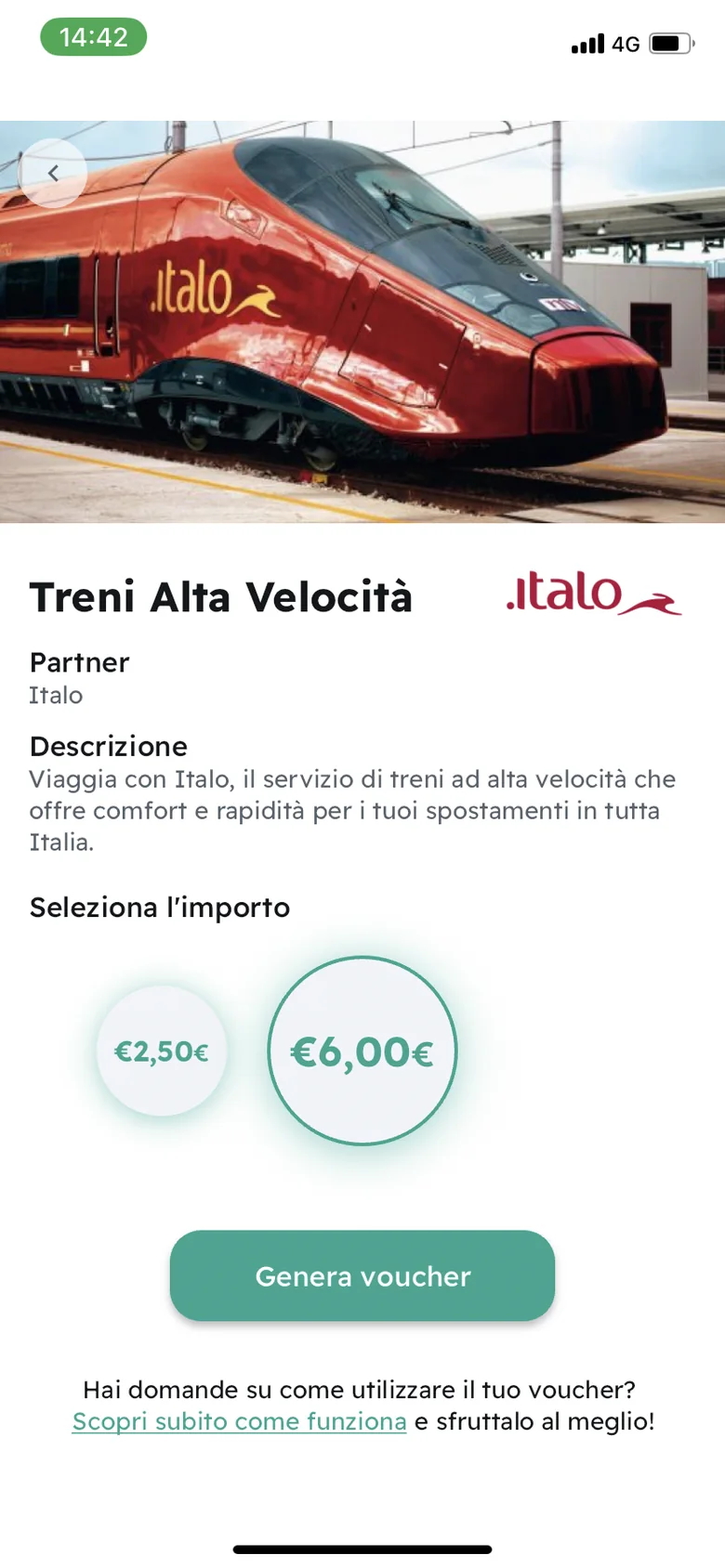
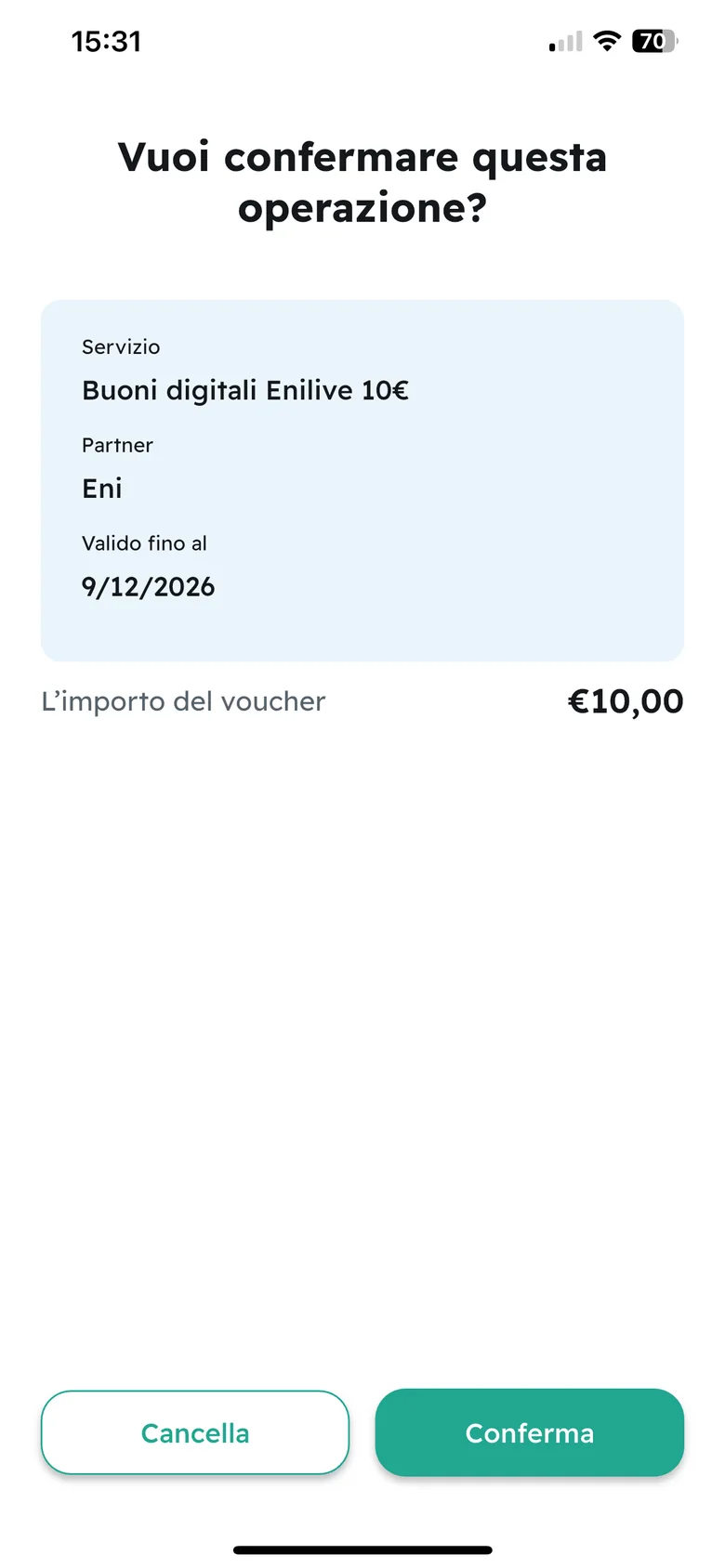
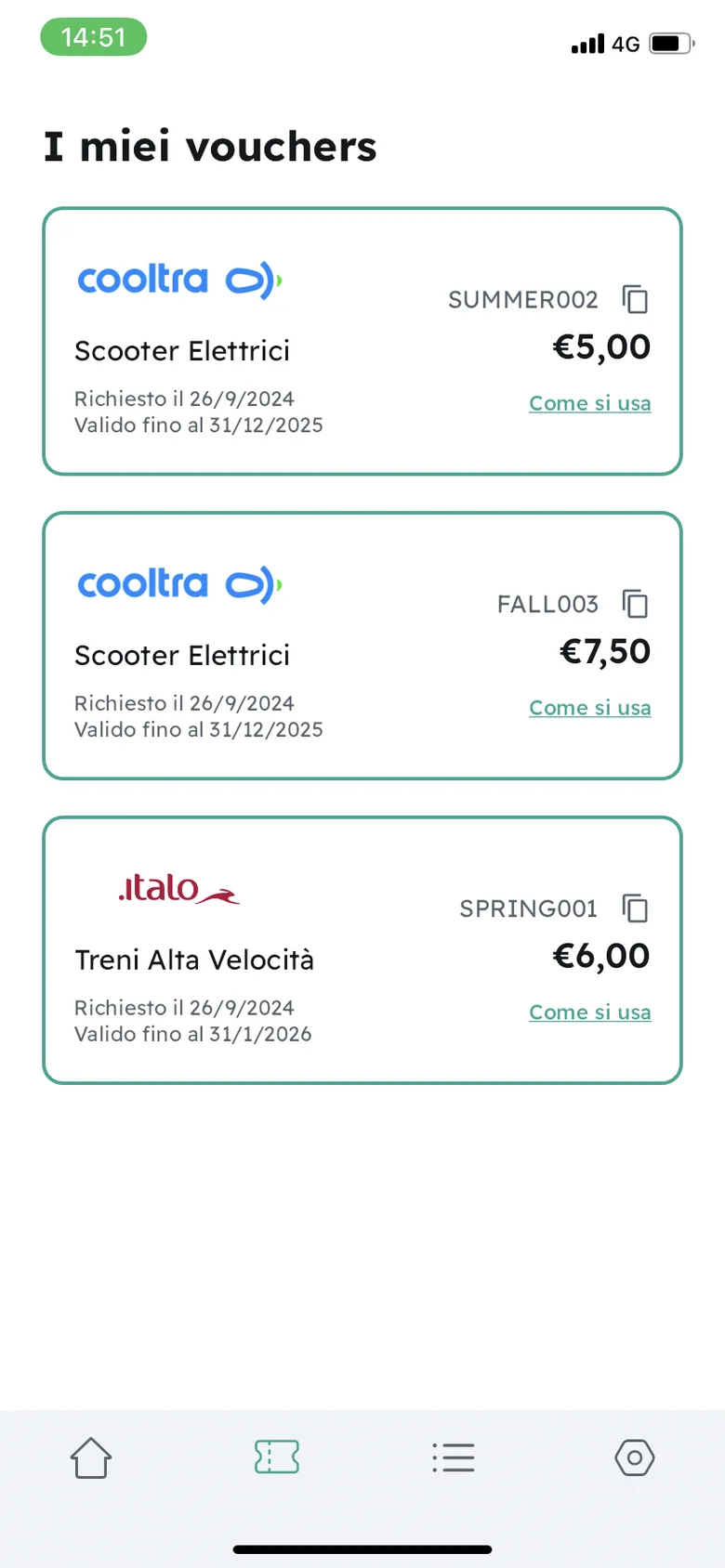
The HR side
The buyer is HR, not the employee. I defined what a company needs to see to trust and renew the plan.

Testing partner flows
Before selling a service, I bought it end to end as an employee and as our back office, and logged every break.

From sale to activation
I mapped the path from a lead to an employee with credit, to find where deals could stall.

Packages for sales
The welfare ceilings became four simple packages that sales could explain in one call.

Brand and go-to-market
A brand built around real commutes: people in Payway green on bikes, trams and trains, with campaign lines aimed at HR on LinkedIn.

Key numbers
prototype to app stores
paying B2B customers
partners at launch
ways to travel, one credit
yearly credit per employee
Learnings
Start with a paying client
Getting the first paying customer was the most useful step. Their needs decided which partners we signed first.
Manual to validate, automate to scale
For the initial MVP, manual work was fine: its only job was to validate the idea. Later, every step has to be automated.
Partners follow clients
Partners are willing to do integration work only once you have enough clients to show them.
Regulation is design material
The welfare rules answered product questions faster than opinions.
A live app outsells slides
A real app in sales’ hands tested demand before any big build.
Looking for more detail on this project, or have a similar challenge in mind?